TMVR
Transkateter Mitral Kapak Replasmanı (TMVR), mitral kapak darlığı veya yetersizliği olan hastalarda, açık kalp ameliyatına gerek kalmadan kateter yoluyla yeni bir…
What is TMVR?
Transcatheter Mitral Valve Replacement (TMVR) is a procedure in which a new valve is placed via catheter without the need for open heart surgery in patients with mitral valve stenosis or regurgitation. This method is an important alternative especially for patients with high surgical risk.
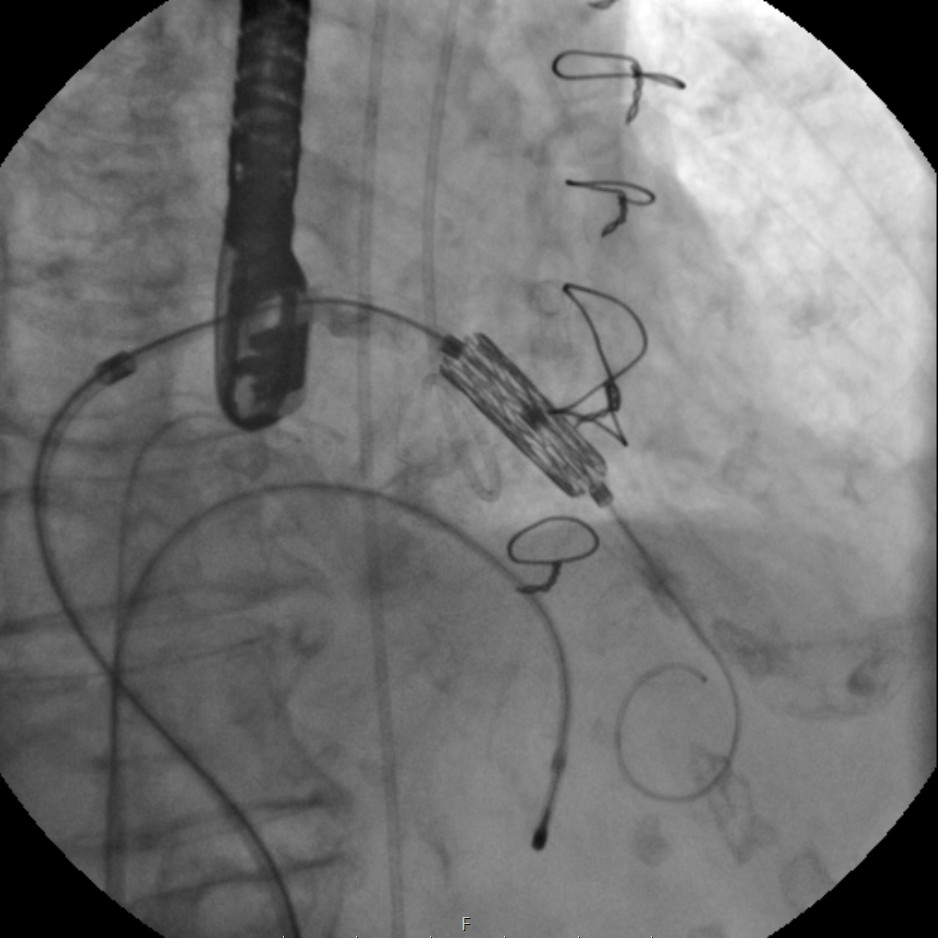
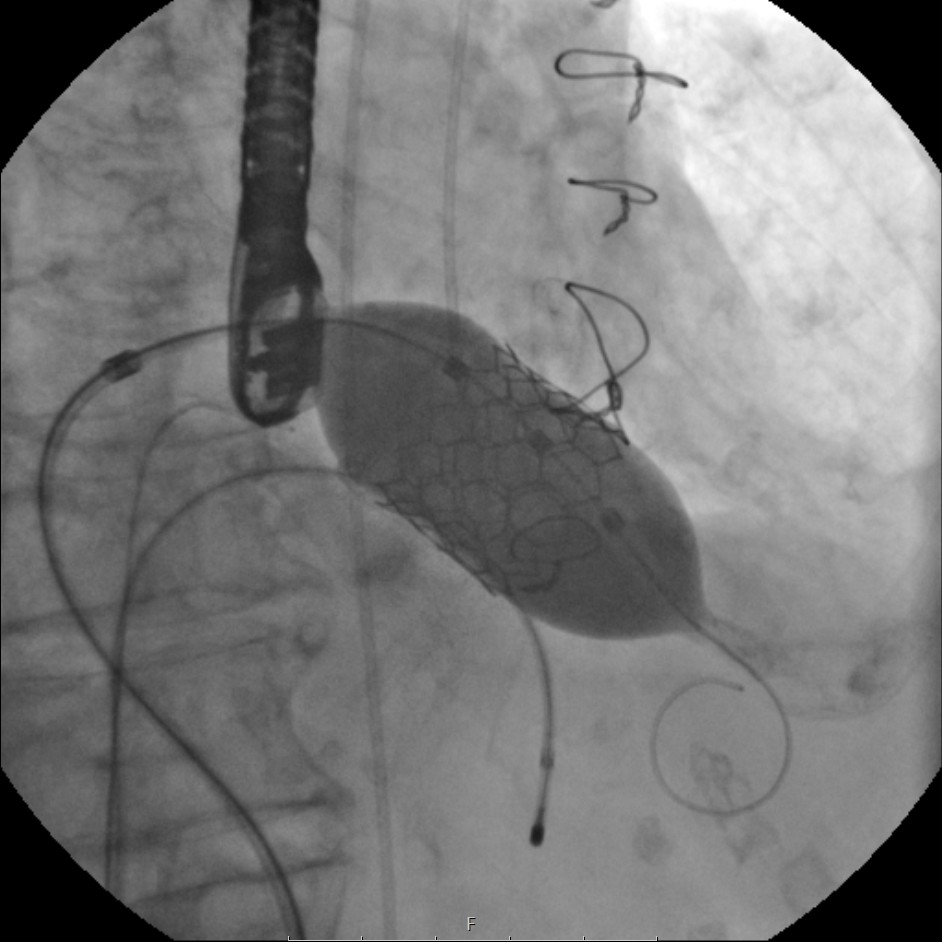
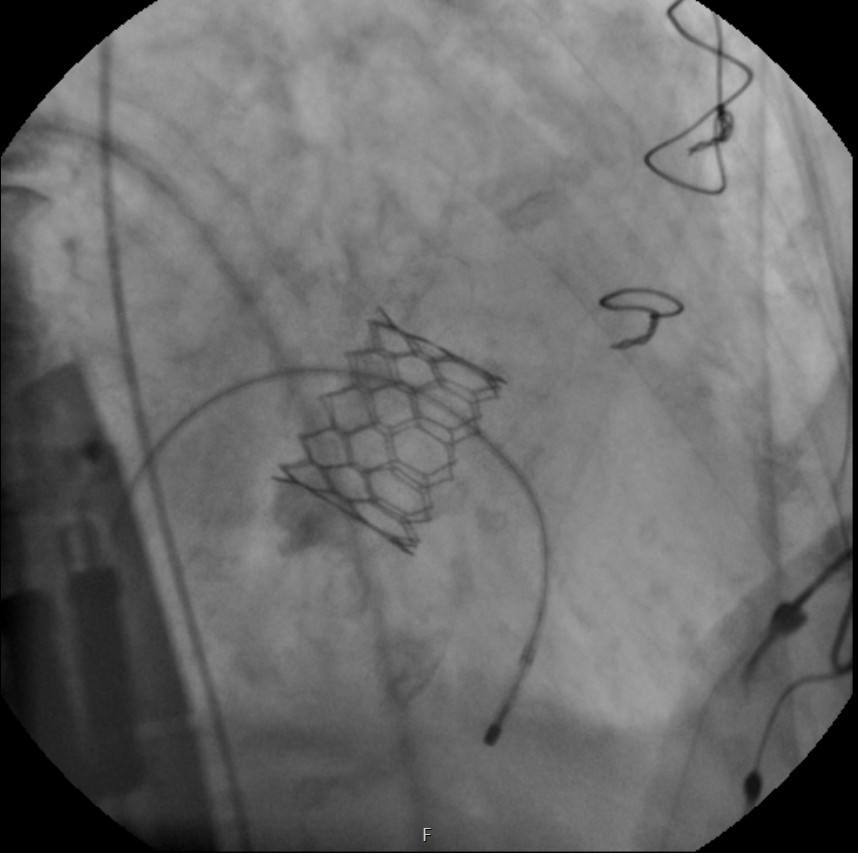
How Does It Work?
The TMVR procedure is performed through a catheter from the groin area (femoral vein or artery). The catheter is delivered to the left side of the heart and a new bioprosthetic valve is placed in place of the old valve. The procedure is performed under general anesthesia, accompanied by echocardiography and fluoroscopy.
Who Is It Suitable For?
- Patients with severe mitral valve stenosis or regurgitation
- Patients with high risk for open heart surgery
- Patients who have previously undergone mitral valve surgery and are experiencing problems again
- Patients with suitable mitral valve anatomy
Advantages
- No open heart surgery required
- Applicable in high-risk patients
- Short recovery period
- Lower risk of complications
- Quick discharge
Pre-Procedure Evaluation
A detailed evaluation is performed before the TMVR procedure. This evaluation uses tests such as echocardiography, computed tomography (CT), and cardiac catheterization. Factors such as mitral valve anatomy, valve diameter, and calcification status are evaluated.
After the Procedure
After the TMVR procedure, patients are usually discharged within 3-5 days. Regular follow-up and anticoagulant medication use after the procedure are important. Most patients observe significant improvement after the procedure.
Last updated: October 13, 2026