Aortic Valve Regurgitation
Aort kapağı, kalpten çıkan temiz kanın vücuda gönderilmesini sağlayan kapaktır. Bu kapağın tam kapanamaması sonucunda kanın bir kısmı kalbe geri kaçar.
Aortic Valve Regurgitation
The aortic valve is the valve that allows oxygen-rich blood leaving the heart to be delivered to the body. When this valve fails to close completely, part of the blood leaks back into the heart. This condition is called aortic valve regurgitation. Over time, aortic regurgitation can cause the heart to enlarge and the heart muscle to become overworked. As the disease progresses, shortness of breath, easy fatigue, palpitations, chest discomfort and signs of heart failure may develop. For many years the standard treatment for these patients has been valve replacement by open heart surgery. However, some patients may be at high surgical risk because of advanced age or accompanying illnesses.
Who Is Eligible for Transcatheter Aortic Valve Replacement (TAVI) and How Is It Performed?
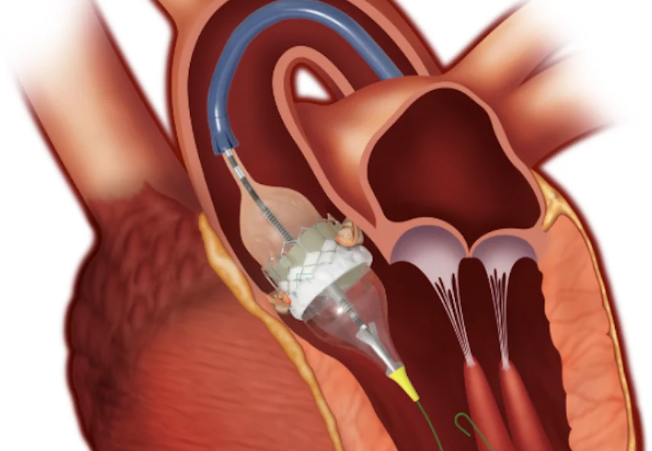
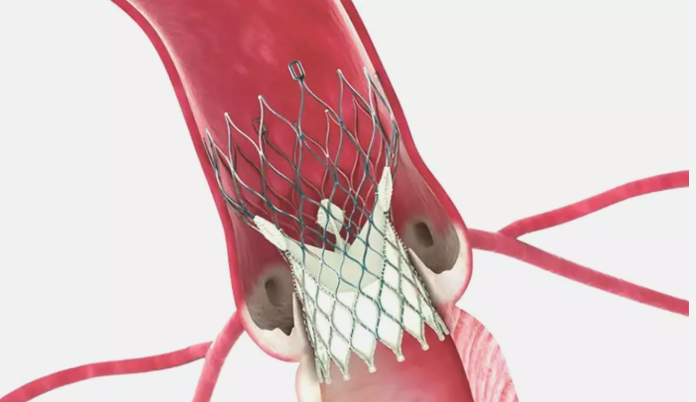
TAVI (Transcatheter Aortic Valve Implantation) is the placement of a new aortic valve using a catheter advanced from the groin. Although it was originally developed for the treatment of aortic valve stenosis, technological advances in recent years have made it applicable in selected patients with aortic regurgitation as well.
How is the procedure performed?
Access is obtained through the femoral artery with thin catheters. The new valve is delivered to the heart and positioned within the diseased aortic valve. The new valve begins to function immediately, and the amount of leaking blood is eliminated or substantially reduced. The procedure is usually short, and patients can often be discharged within a few days.
In which patients is it performed?
TAVI may be performed particularly in patients who have severe aortic valve regurgitation, who develop shortness of breath or signs of heart failure, who are at high risk for open heart surgery, who are of advanced age or have serious additional illnesses, and who are found suitable after detailed evaluation by the heart team.
What are the advantages of the treatment?
It is performed without opening the chest. It provides faster recovery than open heart surgery. The hospital stay is short. It offers an effective option in elderly and high-risk patients. It can provide a marked improvement in quality of life and in daily activities.
TAVI for aortic valve regurgitation may not be suitable for every patient. The decision is therefore made after a detailed assessment by a Heart Team consisting of specialists in cardiology, cardiovascular surgery and imaging.
Last updated: October 13, 2026